
Bike Pump Buyer's Guide
Keeping your tyres pumped up to the correct pressure is essential for keeping you safe and stable while you’re riding your bike.
To help you navigate the right pump for your bike tyres, we’ve put together this basic guide to tyre pressures and pumps. You’ll also find answers to the frequently asked questions.
What is tyre pressure?
Tyres provide the crucial contact between the bike and the surface you’re riding on. Tyre pressure is a measurement of the amount of air inside your tyre (or more accurately, within the tube).
You’ll find tyre pressures listed as either Bar or PSI (pounds per square inch). We don’t need to go into details about the differences between the measurements, and thankfully, all pumps with tyre pressure indicators display both.
Every tyre manufacturer develops a safe operating pressure for their tyres. This is a minimum and maximum pressure for the tyre. To make it easy, you can find the upper and lower limits printed on the tyre wall.
Why is tyre pressure important?
Tyres play a crucial role in the riding experience. They provide grip, transfer your pedalling power to the road and make riding more comfortable.
When your tyres are inflated to the correct pressure, they achieve all three things. They provide optimum grip, maximum power transfer and the best comfort.
If your tyres are underinflated, you’ll find that your performance reduces dramatically.
Increased Rolling Resistance – As rolling resistance increases, causing your tyres to deform as they roll, you’ll have to use more energy to keep the bike moving, making pedalling harder and reducing speed.
Unsafe Handling - Another effect of under-inflated tyres is poor handling, as the soft tyres make turning and manoeuvring harder, which can be dangerous if you’re travelling at speed.
Increased Puncture Risk - Riding with underinflated tyres also means you’re more likely to pick up punctures, as debris from the road becomes stuck inside your tyres. Soft tyres are also prone to pinch flats, where the inner tube gets pinched between the rim.
Damage - Riding with low pressure can cause the tyre to wear out faster or even cause rim damage if you hit a pothole or curb at speed. Plus, uneven wear will reduce the tread on your tyres. The extra vibration and flex can also put more strain on the wheels, spokes and frame.
Comfort – On the plus side, a slightly lower pressure can absorb bumps better, particularly on rough terrain, and is often used by mountain bikers who need more impact / shock absorption.
Over-inflated tyres are also dangerous. Pushing tyres and tubes beyond safe limits means they’re more likely to experience punctures or blowouts. You’ll also push out tread positions, which means less grip on the road.
In some cases, experienced riders may choose to play with their tyre pressures, to provide more grip on an off-road descent for example. If you know what you’re doing, you can experiment, but for most of us, sticking to the tyre pressure recommendations is the safest approach.
How often should I check tyre pressure?
Over time, all tyres will lose pressure. Before you ride, you should check that your tyres are inflated, but it’s not essential to check the pressures every ride. If the pressure is stable, then you can check once a week or every couple of weeks.
If you notice your tyre pressures are dropping every day, it’s worth investigating the cause. Check the valve is seated correctly (on tubeless tyres) and investigate the tyre for any splits or tears that could have penetrated the tube. It’s much easier to change a tube at home than on the side of the road in the rain.
Does riding at the right pressure stop punctures?
When tyres are inflated to the correct pressure, you’re less likely to experience punctures than if they’re over- or under—inflated. However, any bike with a traditional tube and tyre set-up is at risk of punctures.
There are new developments in tyre and tube technology that can help. Some off-road riders go tubeless, essentially sealing your tyres to your wheels and dispensing with tubes altogether.
The risks of punctures are lower, and an added benefit is that you can safely run your tyres at lower pressures. If you’re considering going tubeless, check out our in-depth guide.
Another alternative is puncture protection fluid. This sticky fluid is injected inside your tyre and is self-sealing. If something enters the tyre wall, the fluid solidifies, sealing the gap and protecting against punctures. Alternatively, Slime offer self-sealing inner tubes that are ready to use straight out of the box, and don’t require any manual filling.
Browse the Halfords bike pump range
Can I use any bike pump on my bike?
You need to choose a pump that fits on the valve on your bike tyres. There are two main types:
Schrader valve
You’ll find this valve on kids' bikes, leisure bikes and some mountain bikes.
Presta valve
This valve is generally found on road bikes and some performance mountain bikes.
To achieve the correct tyre pressure, you should choose a pump with a pressure gauge.
What sort of pumps are available?
There are four main pump types you’ll find for sale at Halfords, including hand pumps, track pumps and CO2 pumps. Here’s what they are and why you might need one.
Hand pumps are ideal for quick top-ups whilst on the go, but will require a lot more effort to achieve higher pressures. You can slide a hand pump into a backpack, pannier or jersey pocket (alongside a spare tube and a set of tyre levers). A hand pump is an everyday cycling essential.
The Halfords Advanced High Pressure, High Volume is designed for MTB riders who need maximum inflation on the move. The Halfords Advanced Road pump is for those looking for high-pressure pumping for speedy rides. Both feature an Auto-Adjust valve head so they will easily fit onto Schrader and Presta valves.
Track or Floor pumps are high-volume pumps for precision inflation. They’re able to pump much higher volumes of air each time, meaning less effort to get your tyres up to pressure. If you’re serious about cycling, you should have one in the garage, bike shed or broom cupboard.
Track Pump
The Halfords Metal Track Bike Pump with Gauge is ideal for home maintenance on your bikes. This pump inflates up to 140PSI and features a helpful gauge for you to measure your tyre pressures easily.
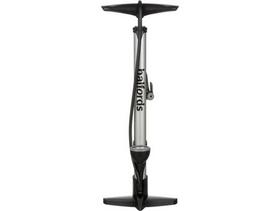
This pump also features a twin head valve, with one side designed for Schrader, and one side designed for Presta.
Shop Halfords Track PumpCO2 Pumps
CO2 pumps use pressurised cartridges to inflate your tyres in seconds. They’re fast and efficient, and can reach high PSI levels almost instantly. They’re compact and cost-effective but may take some time to get used to. If you’re going tubeless, you’ll benefit from a CO2 pump.
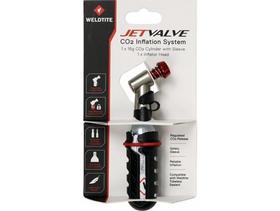
The JetValve CO2 Injector is suitable for instant inflation of all valve types, including Presta and Schrader. It's compatible with 16g – 25g threaded cylinders, and it includes a cylinder plus sleeve.
Shop JetValve CO2 InjectorHopefully by now you understand what tyre pressures are, why they’re important, and why you should keep yours at the suggested levels. If you’re searching for a new hand pump, track pump or CO2 pump, you’ll find a massive bike pump range at Halfords.
Shop online, or drop into a Halfords store today.
Shop all Bike Pumps 10/25